
Biodiversity Net Gain (BNG)
What is Biodiversity Net Gain?
Biodiversity Net Gain (BNG) is an approach to development that ensures habitats for wildlife are left in a measurably better state than they were before the development. In England, BNG became mandatory from 12 February 2024 under Schedule 7A of the Town and Country Planning Act 1990 (as inserted by Schedule 14 of the Environment Act 2021). The minimum requirement of BNG is 10%.
How is Biodiversity Net Gain measured?
Biodiversity value is measured in standardised biodiversity units. Each habitat is assigned a certain number of biodiversity units dependent on its size, quality, location, and type. These can be lost through development, or generated to ultimately create and enhance the habitats present – with aim of resulting in a net gain.
An ecologist will measure the biodiversity value of your existing habitat at the development, and then provide expert advice on suitable habitat creation or enhancement for the land. They will use the statutory biodiversity metric formula to calculate the number of biodiversity units for existing habitats, and how many units are needed to replace those lost to achieve at least a 10% Biodiversity Net Gain or 10% BNG as it is often referred.
Does Biodiversity Net Gain affect my development or project?
Biodiversity Net Gain (BNG) rules will affect you if you are a:
- Developer of major developments;
- Developer of small sites;
- Developer of nationally significant infrastructure projects (from November 2025);
- Land manager wanting to sell in the BNG market; or
- Local planning authority.
Overall, if you have a development proposal that requires planning permission, it is likely that BNG requirements will impact your project, and you should seek expert advice from an ecological consultancy such as ourselves to assist.
How can Carcinus Ltd help you with Biodiversity Net Gain?
Carcinus Ltd have a team of expert marine and freshwater ecologists on hand to assist with your project requirements. We have a wealth of knowledge when it comes to undertaking BNG calculations in relation to aquatic and intertidal habitats, and have completed numerous marine and freshwater projects where habitat enhancement has been at the forefront.
Our remit focuses on BNG in intertidal marine (down to the mean low water mark) and freshwater environments. We undertake a site assessment and thorough desk-based literature review before providing our client with all available options for Biodiversity Net Gain and Habitat Enhancement to be achieved, factoring in feasibility, likely effectiveness, and cost.
Recent Carcinus Ltd project examples where Biodiversity Net Gain and habitat enhancement has been a focus include:
- Intertidal Terracing on a brownfield area on the banks of the River Thames;
- Intertidal Terracing utilising a new sheet pile river wall on the banks of the River Thames; and
- Habitat enhancement options for Hampshire County Council fisheries project.
Our marine environmental consultancy and marine ecology survey teams are currently actively involved in two projects for Port and Harbour developments on the south coast of England.
What is Marine Net Gain (MNG)? & How does Net Gain apply to Marine Environments?
Currently, Biodiversity Net Gain (BNG) applies to terrestrial areas and down to the mean low water mark and therefore only includes the intertidal area of the marine environment. The concept of Net Gain specifically within the marine environment beyond the intertidal e.g., subtidal or offshore, is undergoing investigation, led by Natural England. The Marine Restoration Potential and enhancement project (MaRePo+) is investigating which habitats and species have the most potential for restoration, recovery, and enhancement. In addition, Marine Irreplaceable Habitats are being mapped, and ways of measuring and comparing different marine developmental impacts and offsets are being explored to ensure marine specific net gain (Marine Net Gain MGN) can be delivered.
Whilst there is no current mandatory element to Marine Net Gain (MGN), Carcinus Ltd’s expert team of marine consultants and ecologists can provide advice and support on habitat enhancements for your marine project. Carcinus Ltd remain invested and involved in research for Marine Net Gain approaches.
Contact us today to discuss your Biodiversity Net Gain requirements for marine intertidal and freshwater projects or to discuss the future of Marine Net Gain.
More Information
If you would like to learn more about our Marine Environmental Consultancy services, please read and download our Capability Statement, or read about our recent projects below. Alternatively, you can contact us directly.
Environmental Assessment
Recent Projects

Intertidal Ecology Surveys for the Port of Dover
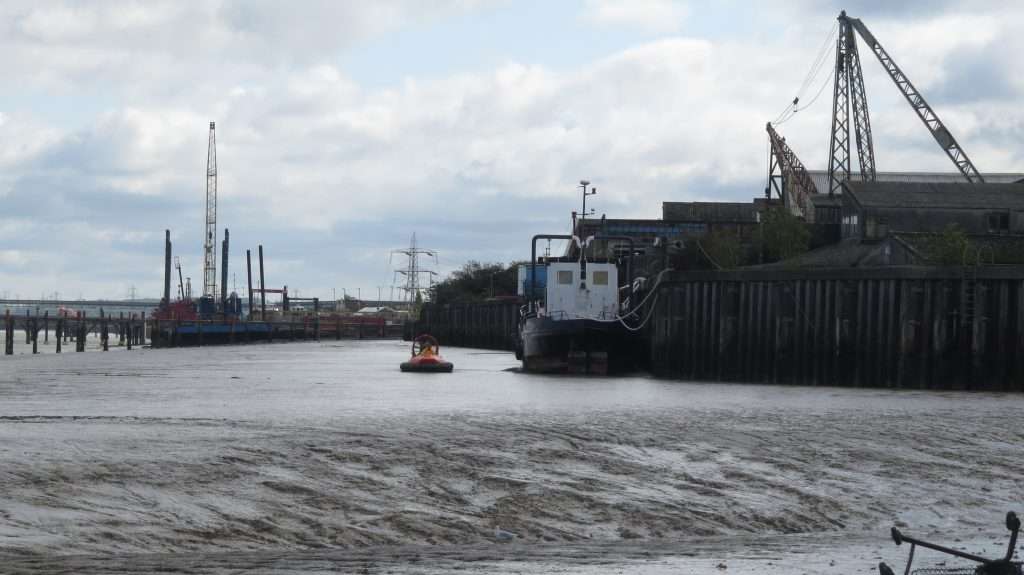
Working Platform Installations – Thames Estuary
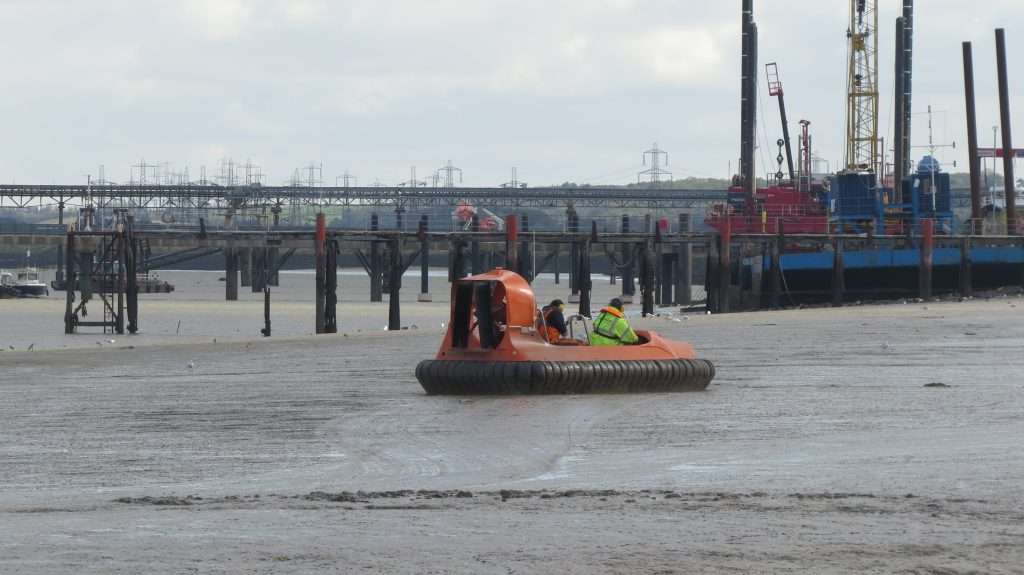
Thames Temporary Berth Installation

East Tipner Environmental Impact Assessment

Southport Marine Lake

Everton Football Clubs brand new stadium

Shoreline Surveys at Southend-On-Sea and Swansea Bay
